
Five ways smallholder support strengthens TMICC's vanilla supply chain
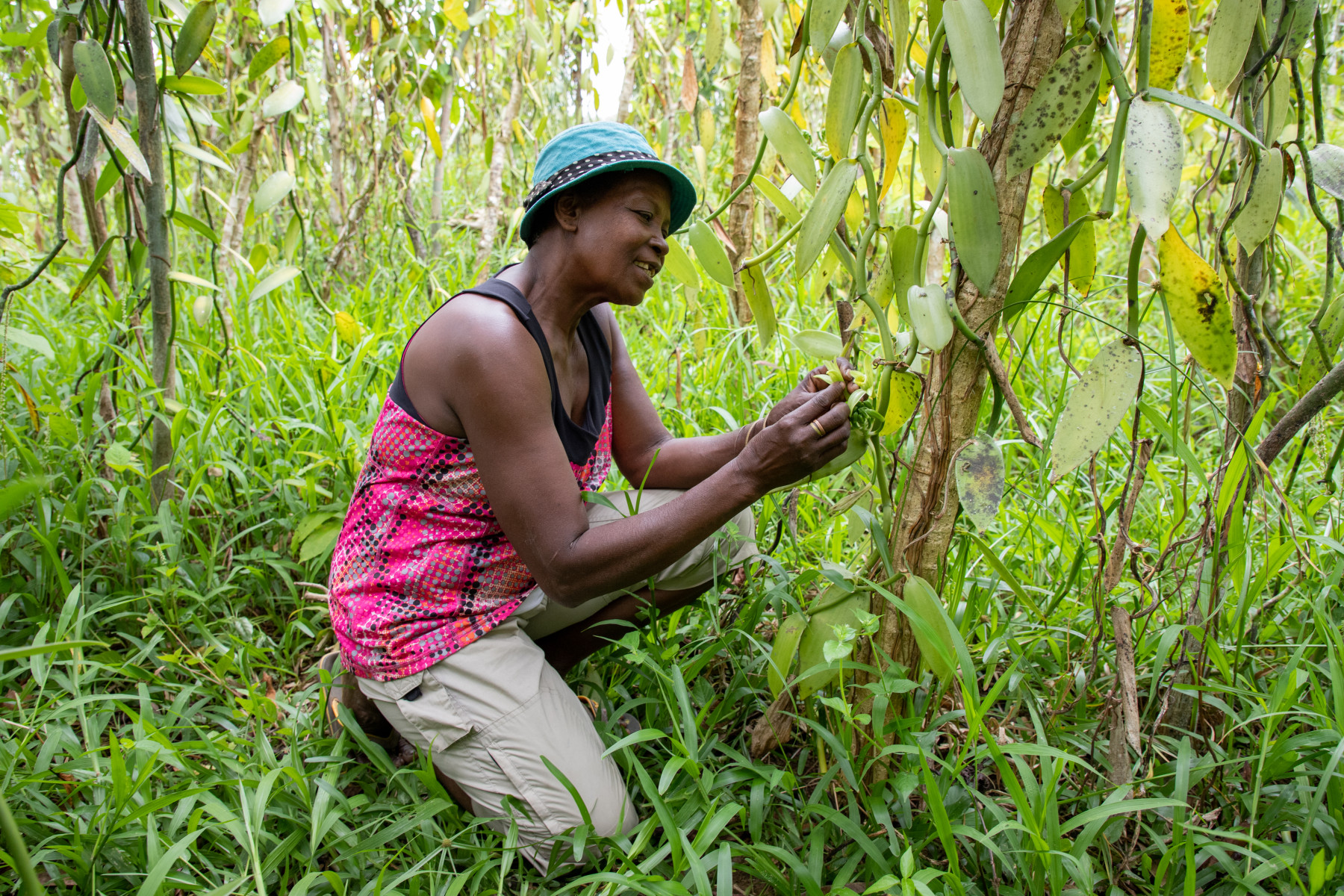
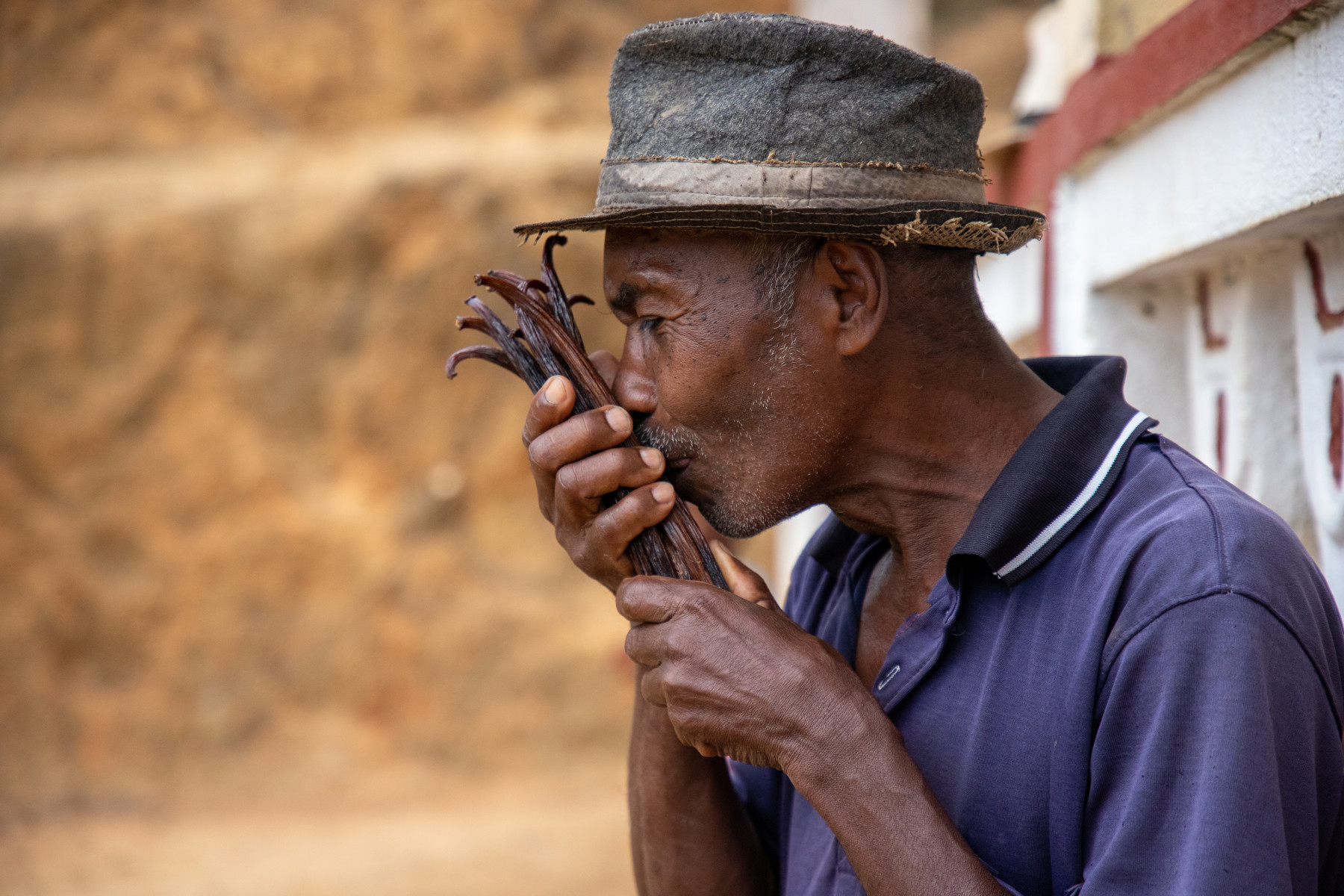
Vanilla is one of the most loved flavours in our ice creams. From beloved Magnum Classics to some of our most inventive new ice cream creations, it remains a go-to for many consumers. In our latest story, we explore how the Fandriaka programme in Madagascar is working to improve smallholder farmers’ livelihoods, future-proof vanilla supply and ensure lasting social impact.
- Alongside improving vanilla yields by 20%, Fandriaka has helped 11,700 farmers develop their agricultural skills, and use crop diversification to increase their non-vanilla income by 48%.
- The programme enables financial inclusion through savings groups, helping farmers access interest-free loans.
- Working with smallholder communities, the project has reforested around 157 hectares of land and helped to protect over 100 hectares of existing forest.
For over a decade, The Magnum Ice Cream Company, previously known as Unilever Ice Cream, has been working with Save the Children, Symrise (our supplier) and local organisations such as Organisation de Soutien pour le Developpment Rural Madagascar (OSDRM Bondy) to support smallholder farmers in improving crop quality, strengthening livelihoods, and building resilience to climate change.
We explore the positive impact of Vanilla for Change (Fandriaka) in Madagascar and share five key learnings from the programme on empowering farming communities and driving sustainable change.
1. Resilience is built through income diversification
In the first three years of the Fandriaka programme in Madagascar, nearly 3,000 farmers were trained in improved farming techniques, leading to a 20% increase in their production. But the programme also showed that it’s essential to help smallholders move beyond single-crop dependency to build resilience to climate variability and poor harvests. To this end, Fandriaka has trained 11,700 farmers in skills such as bee keeping and poultry rearing, and in good agricultural practices including crop diversification. During a four-year period from 2020-2024 the programme saw farmers’ non-vanilla incomes increase by 48%.
2. Financial inclusion enables farmers to better manage risk
Community-based savings and credit groups known as Village Savings and Loan Associations (VSLAs) serve as an entry point for financial inclusion. VSLAs enable farmers to save collectively. These funds can be used to support their primary needs such as paying for their children’s education. VSLAs can also provide access to small loans that can be used to purchase additional crops such as rice interest-free to improve their food security during a bad vanilla season. Madagascar now has almost 500 groups with 11,500 members, 75% of whom are women. This growing network strengthens women’s participation in community life and supports their access to financial training and opportunities.
3. Financial and digital skills empower women and encourage entrepreneurship
To extend the work done by VSLAs, the programme also worked with women farmers to equip them with digital and financial skills. As well as helping them budget to provide a buffer for households during price drops, it also offers information on how to use savings to invest in new ways to grow their business or incomes.
4. Linking income, environment and community wellbeing delivers more resilient and equitable outcomes
Smallholder livelihoods improve when interventions also address environmental stewardship and wider social inclusion. Collaborating with our partners and local stakeholders we’ve supported almost 30,000 young people through youth support groups to develop their life skills and future career prospects by strengthening their numeracy, literacy, communication and rural skills. Fandriaka’s extensive training of over 11,000 farmers in Madagascar to Rainforest Alliance standards helps them to prevent deforestation and protect biodiversity. Villages have also taken part in environmental projects, with communities across the project reforesting around 157 hectares of land and protecting over 100 hectares of existing forest.
5. Long-term, locally rooted partnerships are key to sustained impact
Deep partnerships are essential to designing and sustaining smallholder programmes that deliver meaningful, long-term livelihoods impact. By building on multi-year, multi-stakeholder collaborations, programme partnerships have enabled tailored, community-led interventions that go beyond compliance to deliver real change. Beyond improving livelihoods, Fandriaka has empowered 60,000 people through initiatives delivering education, healthcare and environmental resilience. Vanilla is a key ingredient for TMICC. Through Fandriaka, we are able to deliver lasting social impact while building strong partnerships that secure our vanilla supply. TMICC will continue to support this programme into the future.